
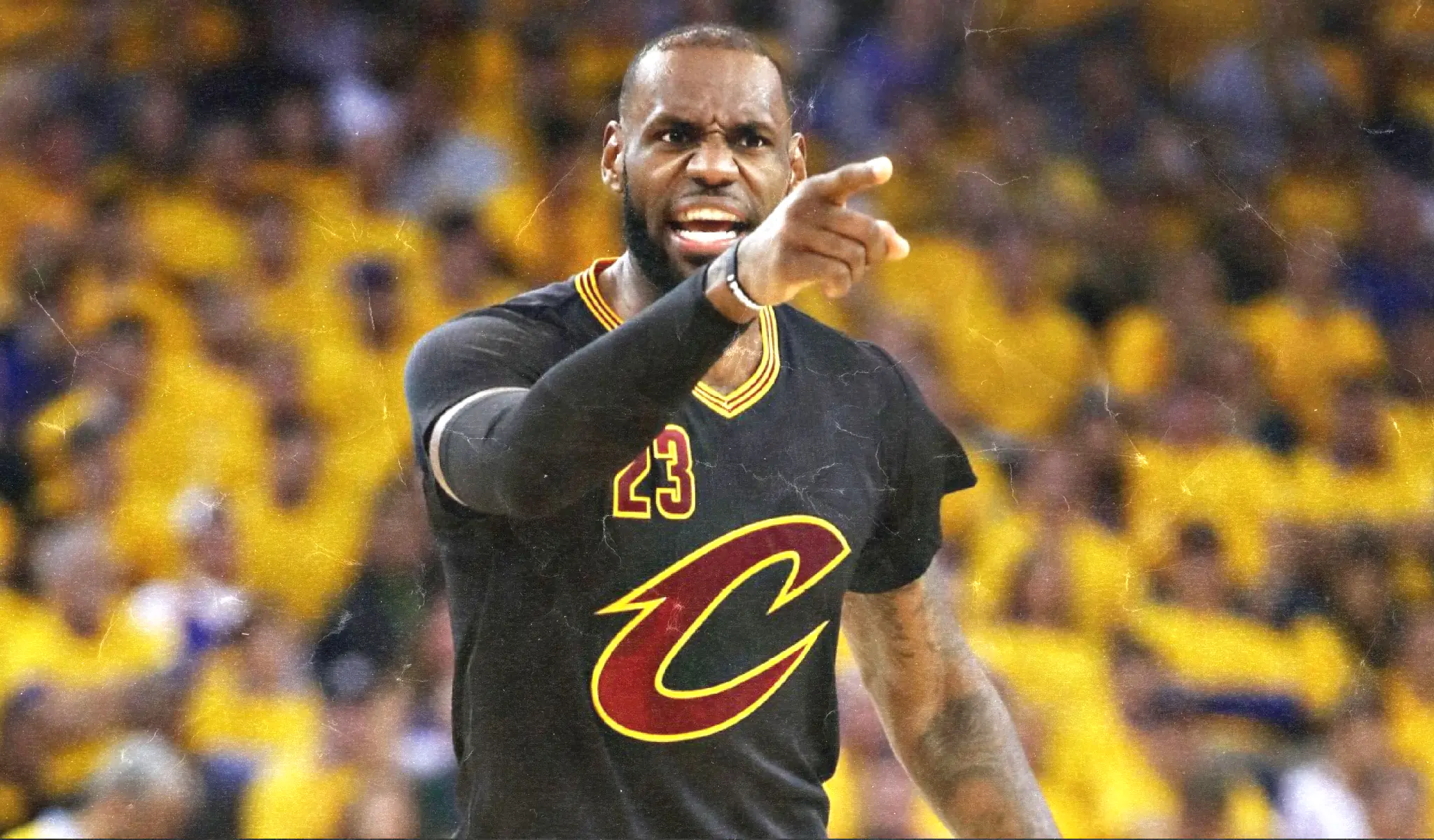
The 2016 NBA Finals: The Series That Broke the Rules
Cleveland's epic comeback from 3-1 down changed perceptions of LeBron and Golden State and it made us evaluate underdogs differently
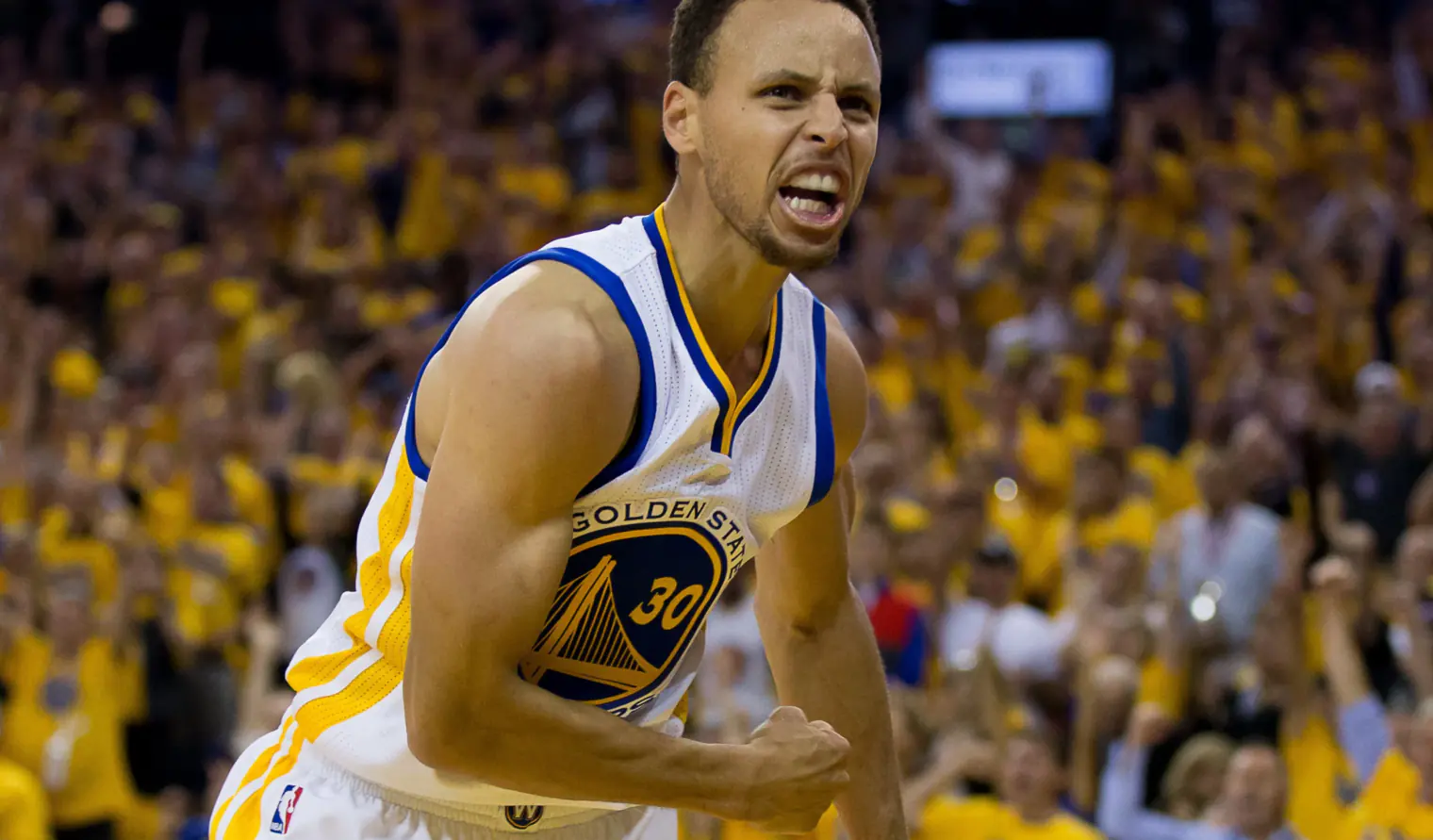
Beyond the Lines · Oct 22, 2026 · 5 min readThe Golden State Warriors had 73 wins in 2016.
They were in full dynasty mode and played like the defending champions, full of confidence and basically an expectation that they were going to take the NBA title again.
They had a 3-1 series lead over the Cleveland Cavaliers too. Oh, and they had peak Steph Curry. No team in the history of the NBA had ever blown a 3-1 series lead in the NBA Finals.
NBA Futures bettors and really anyone making NBA picks at the time were probably resigned to the Warriors continuing their epic run of dominance in the 2010s.
What followed became the first comeback from that deficit in NBA Finals history, ending with a 93-89 Cavaliers victory in Game 7.
The series changed how LeBron’s career was judged, how Golden State was remembered and the whole NBA superteam thing was questioned soon after. It also showed NBA betting fans that a favorite can deserve its price and you can still make a solid case for the underdog and win big.
The Favorite was the Real Deal but the ‘Dog was Live
Backing Golden State was the obvious play that season. The Warriors had set the NBA record for regular-season wins and it was no fluke. Like Brady and the Pats’ undefeated run up to the Super Bowl in 2007-08 though, a monster season is no guarantee of anything when the championship rolls around.
They opened the Finals at -210 and Cleveland at +180. After Game 4, those prices stretched to Warriors -2500 and Cavaliers +1100.
Cleveland needed three straight victories, including two on Golden State’s floor. It seemed impossible. Warriors’ fans were probably picking out their parade spots.
As with any slow-moving disaster, things unravelled for the Warriors in stages.
Draymond Green’s accumulated flagrant-foul points triggered a Game 5 suspension. Andrew Bogut injured his left knee during that game and missed the rest of the series. He wasn’t a central player but he ate up plenty of minutes and shut down shots from in close. Those are two key players on defense that suddenly gave LeBron and his squad an opening.
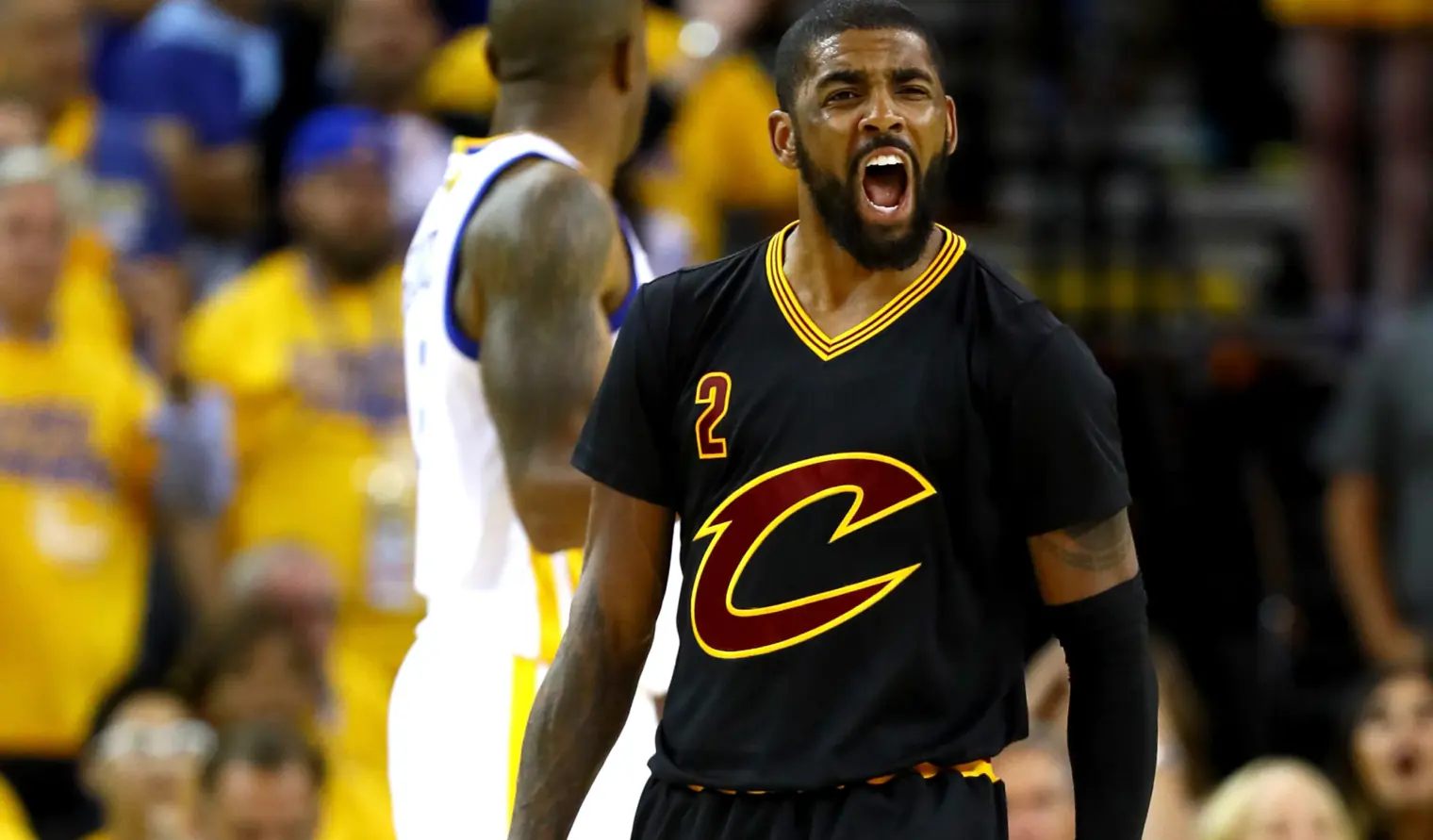
James and Kyrie Irving each scored 41 in Game 5, becoming the first teammates to score at least 40 apiece in a Finals game. Sitting at 3-2 probably didn’t mean panic in the GSW locker room, but it gave the Cavs a huge boost in confidence.
Bet on LeBron
Before the 2016 Finals, LeBron already demanded respect. His Miami run and his overall performance every night made sure that you could never feel 100% confident betting against him. At 3-1, ok, maybe.
That series we saw LeBron XL though. He led both teams in points, rebounds, assists, steals and blocks across the series. He averaged 29.7 points, 11.3 rebounds and 8.9 assists.
Defense, though, was Cleveland’s secret edge. It just doesn’t show up as well in the headlines and highlight reels. Other players beyond LeBron helped carry the load too.
With Game 7 tied 89-89, James chased down Andre Iguodala and blocked a layup. Irving later hit the go-ahead three over Stephen Curry, while Kevin Love supplied a crucial defensive stand against Curry too.
That win ended Cleveland’s 52-year major professional championship drought. It wouldn’t have happened if he hadn’t come back to the team. James is a Northeast Ohio native, so the storybook ending had an extra bump.
Image-wise, the ridicule from his “I’m going to take my talents to South Beach” faded after this series too. And the LeBron vs. Jordan as the NBA’s GOAT might not ever be settled, but that 2016 NBA Finals helped anyone who wanted to argue for the King.
Golden State Lost More Than a Series
For the Warriors, the damage extended beyond dropping a 3-1 lead like no other team had done before.
For starters, it obliterated their 73-win season. No one mentions it. A championship would have easily settled the argument that it was the greatest NBA season ever. Instead, that number became permanently attached to the lead they lost. (And still today it shows up in articles like this…).
The Warriors reached Game 7 and lost by four points. No one mentions that either. That’s a handful of free throws, or maybe two buckets inside 5 feet. It’s not fair for their legacy that people will only remember their epic choke job, but there it is.
Golden State did add Kevin Durant in the offseason after that giant L, and then beat Cleveland in the next two Finals. Revenge? Sure, some part of it, but the superteam concept never goes over in the fans’ mind the same way a tight unit of players does.
About That Other Superteam Though
Cleveland’s position made the Cavaliers underdogs in 2017 and 2018. Their roster said otherwise though.
James, Irving and Love were essentially a creation of the superteam concept too. James came back from Miami. Love was on the T-Wolves before being traded to play with LeBron. Only Kyrie was homegrown.
This is where the superteam debate gets slippery. Cleveland’s star trio wasn’t discussed as much as KD joining a team that had already won a championship, but they weren’t nobodies either. So maybe any team that free agents join, no matter how loaded, deserves respect if they win it all against another stacked roster.
What 3-1 Means for Bettors Now
The lasting betting lesson is not to automatically chase the team facing elimination. That would turn a very rare comeback into a bad beat more often than not.
At +1100 after Game 4, only the bravest bettor would take Cleveland. After Game 5, the Cavaliers shortened to +375. After Game 6, they were +185. That post-Game 4 bettor would have been way better off.
That progression could work by averaging your way into a series. Adding some funds to Cleveland after each game spreads out the risk, but it still catches some of that +1100.
The relevant questions after a Game 4 that signals the potential start of an epic comeback might look like: Who’s available or hurt? Which matchups have changed? Does the potential payout match how tough the rest of the comeback will be?
Respect the stronger team without treating its advantages like they’re permanent. Respect the underdog without mistaking a potential miracle story for actual betting value.