
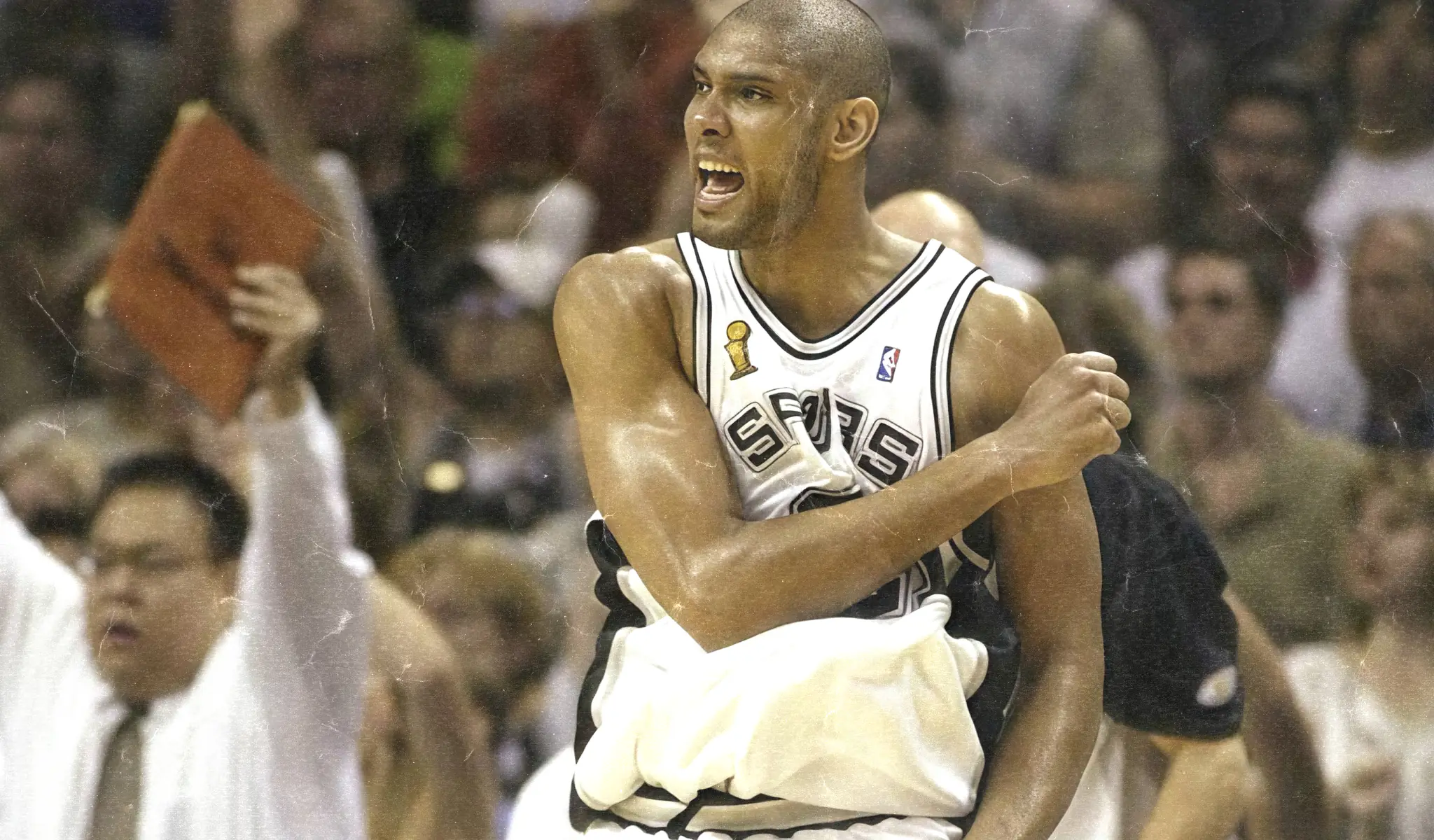
Before the Three-Pointer Took Over
The NBA was a post-heavy league dominated by centers until the three-pointer grew into the monster it is today
Beyond the Lines · Oct 30, 2026 · 5 min readThe NBA has had the three-point arc in use ever since its one-year trial in 1979-80 turned permanent.
It took decades for coaches to trust the shot though. It was a completely different game back in the 80s, even when the 3-point line was a regular feature on all NBA courts, compared to today’s game. Teams averaged 2.8 attempts per game in that first year and barely more than that in the decade following.
Things have changed.
NBA odds now have to factor in which team has the better shooters from outside. NBA prop bets include different wagers that involve the 3-pointer. Futures will have teams at the top loaded with shooters. Even the NBA All-Star Weekend has a featured event that’s only about the three.
The Paint Used to Pay the Bills
Today, players build their games and entire careers around the three.
Before the big shift, the instructions for basketball teams were pretty straightforward: get the ball inside, establish position and work for a closer shot. Even when the extra point was introduced, teams and coaches kept this old approach.
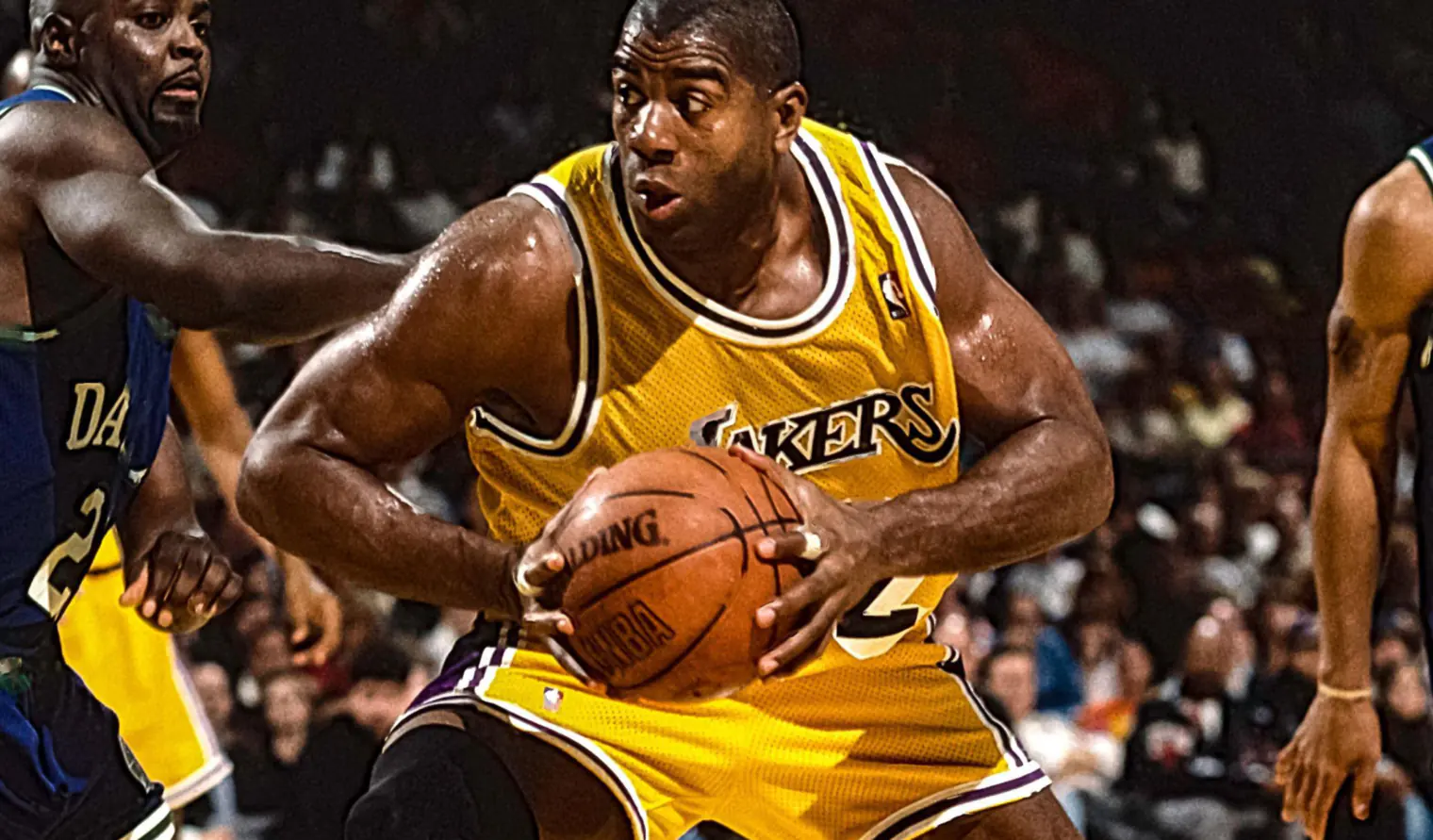
That meant a dominant center was often a team’s MVP. Easy buckets, attracting fouls and forcing double-teams. Even the Lakers, with Magic Johnson pushing the break and the start of the Showtime era, leaned on Kareem Abdul-Jabbar inside. Moses Malone, Robert Parish, Wes Unseld, Bob Lanier: the league was loaded with big men that regularly took games over.
Los Angeles attempted only 100 threes during that entire first season with the new line on the court. Feels like some teams today put up that many in a weekend.
The resistance was cultural. It takes time for a sport to adjust after decades of playing a certain way. Players had grown up without the shot entirely. There were no three-point specialists in the league or coming up in the NCAA. Coaches had spent careers teaching defenses to concede long jumpers since they were the lowest-percentage shots.
The 3-Pointer Was a Gimmick
The three-pointer arrived carrying baggage. The American Basketball League, with a not-so-great reputation, had used it first. It looked like a promotional stunt borrowed from a rival league when it hit the NBA.
Red Auerbach, Boston’s championship-building head coach and GM, and possibly the most powerful opinion leader in the entire NBA, was not a fan. “We don’t need it,” he said. “I say leave our game alone.” It hit the media, helped by other top coaches at the time who also didn’t support it. (Auerbach’s own player, Chris Ford, hit the first-ever NBA three-pointer though).
Even Larry Bird needed convincing. Boston didn’t have any designed three-point plays when he arrived. Bird barely practiced the shot. He became one of basketball’s most famous long-range shooters but it hardly mattered to him at the start of his epic NBA career.
The Believers Started Small
Not everyone needed years to come around to embrace the three. It was literally a way to put up more points and some coaches wanted to win with those “easier” baskets.
San Diego Clippers coach Gene Shue built plays for the three during its first NBA season. His guard Brian Taylor led the league with 239 attempts and made 37.7%.
Rick Pitino’s New York Knicks took it to the next level in 1988-89. They attempted 1,147 threes and became the first NBA team to clear 1,000 in a season. Their 14 attempts per game were more than double the league’s 6.6.
It worked out well enough, even though there wasn’t a rush to copy the Knicks by other teams the following season. New York shot just 33.7%, but they did end up with the league’s sixth-ranked offense and a 52-30 record.
After Pitino left for Kentucky, the Knicks dropped to 8.7 attempts per game the following season, so the real big shift to today’s game was still years away.
Phoenix: Next Man Up
Mike D’Antoni’s Phoenix Suns, led by 2-time NBA MVP Steve Nash, pushed the next evolution of the trey. Their “Seven Seconds or Less” era combined speed, shooting and quick decisions, with Amar’e Stoudemire attacking inside and players like Shawn Marion and Joe Johnson giving Nash options around him. Phoenix won 62 games in 2004-05.
They also led the league with over 2,000 attempts from beyond the arc. That was over 24 per game, and they set the NBA record for making 9.7 per game.
D'Antoni figured out that, beyond just the speed of his team, the outside threat made for more inside opportunity. Stretching defenders toward shooters opened up routes to the basket. It was kind of revolutionary: the three didn’t have to replace scoring from the paint, it could actually make it easier.
Basic math also supported a team jacking more 3’s. A shooter making 35% of his threes produces 1.05 points per attempt. A player making 50% of his twos produces 1.00. Over the course of a 48-minute game, that small edge can add up.
Steph Curry and the Art of the Three
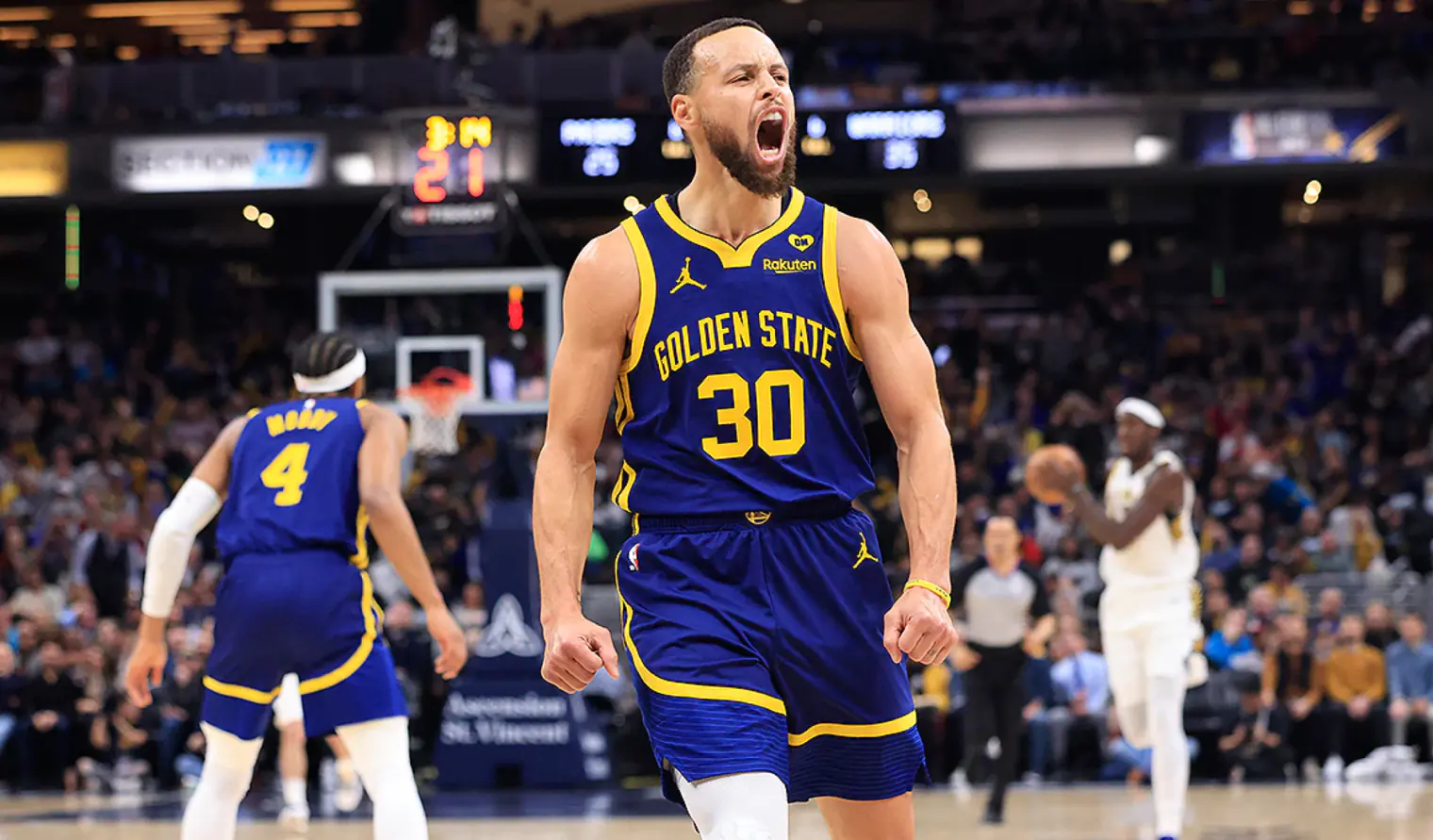
Curry’s Golden State team won the 2015 championship, then followed it with a record 73-win regular season. Curry made 402 threes in 2015-16, demolishing his previous record of 286.
That opened up a lot of eyes (and minds) around the league and basically brought in the modern game and its three-point frequency. A shot that was once rationed by coaches and looked down on by legends of the game had become a serious weapon of the league’s most successful regular-season team.
Houston pushed volume even further. D’Antoni was the Rockets’ coach in that same period. By 2017-18, the Rockets were attempting 42.3 threes per game. They also showed that living by the three can mean dying by the three. They missed 27 consecutive threes while losing Game 7 of the Western Conference Finals to Golden State. You can imagine some 7-foot ex-centers in rocking chairs around the country, laughing. Still, the Rockets’ bombing of threes all season did get them that deep into the NBA playoffs.
Houston showed how punishing a cold stretch could be. That’s a warning flag if you’re betting a three-point-heavy team. They could win by 20, or they could shoot bricks all night and leave you with nothing.
By 2024-25, NBA teams averaged 37.6 three-point attempts per game, compared with 2.8 in the shot’s debut season.