
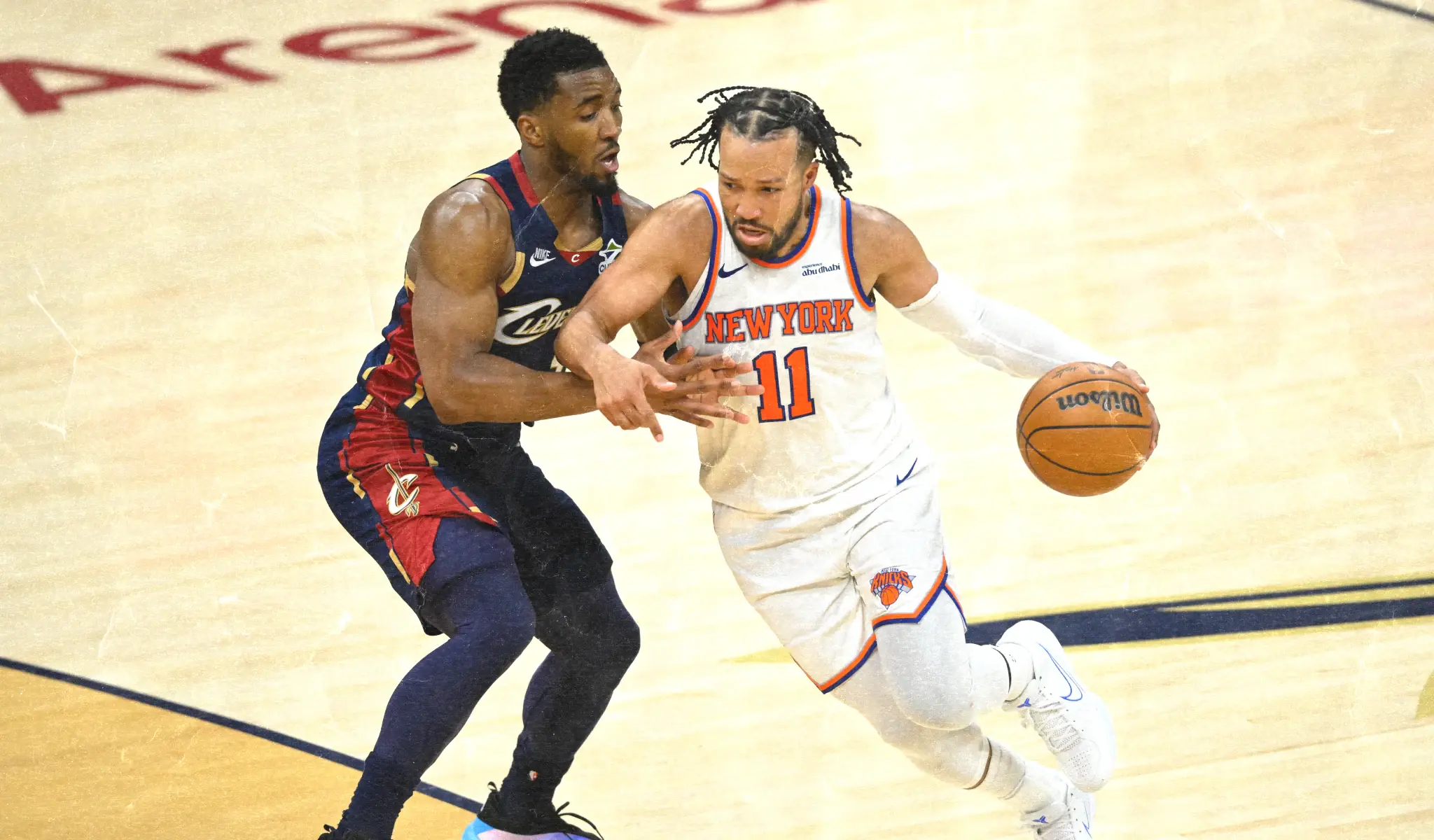
How the NBA Cup Is Changing the Regular Season
Explore how the in-season tournament adds stakes to early-season basketball, from its format to its impact on player motivation and team rivalries
Beyond the Lines · Nov 13, 2026 · 4 min readOk, we’ll be straight. The NBA Cup isn’t an earthquake when it comes to how the NBA season is decided. Players aren’t circling the dates for the Cup and fans aren’t staking out ticket windows for it months in advance.
The NBA Cup doesn’t need to compete with the playoffs to matter though. What it does is it gives teams something to play for early in the season, a period where teams used to try out rotations and make the first month or more look like an extended preseason.
A November loss usually disappears into an 82-game schedule. Fans now might have standings worth checking before Thanksgiving. NBA betting fans now have NBA Cup odds that they know might have some players giving it some more effort on the floor.
What’s at Stake in the NBA Cup?
Mostly financial things.
For a league where the average annual salary for the 2026-27 NBA season is $12.8 million, that might not seem like much. Almost every player (ok, every human) still responds to a check though.
Here's what’s at stake when the NBA Cup runs through November and a champion is crowned in early December:
Prize money: in 2026, players on the championship team receive $604,985 each. Runners-up receive $241,994 each, semifinal losers receive $120,997 each, and quarterfinal losers receive $60,499 each.
Regular-season wins: Group games, quarterfinals and semifinals count toward regular-season records, so results also affect the race for playoff positioning. Only the championship game sits outside the standings.
Tournament survival: Just eight of the 30 teams advance from group play. Once the knockout rounds begin, one loss ends a team’s Cup run.
Individual recognition: Players can compete for NBA Cup MVP and selection to the All-Tournament Team.
The winning team earns the NBA Cup Championship. It’ll never be confused for the actual league title awarded after the NBA playoffs.
Add to that some bragging rights and the extension of rivalries (more games, slightly more spotlight = more intensity).
There’s also a competitive reward that doesn’t show up in bank accounts. Milwaukee started the season 2-8 in 2024. They finished their Cup run unbeaten. They beat Oklahoma City 97-81 in the championship, with Giannis delivering 26 points, 19 rebounds and 10 assists. We won’t say the tournament fixed Milwaukee, but they made the playoffs later that season.
How the Cup Format Works to Deliver Interest
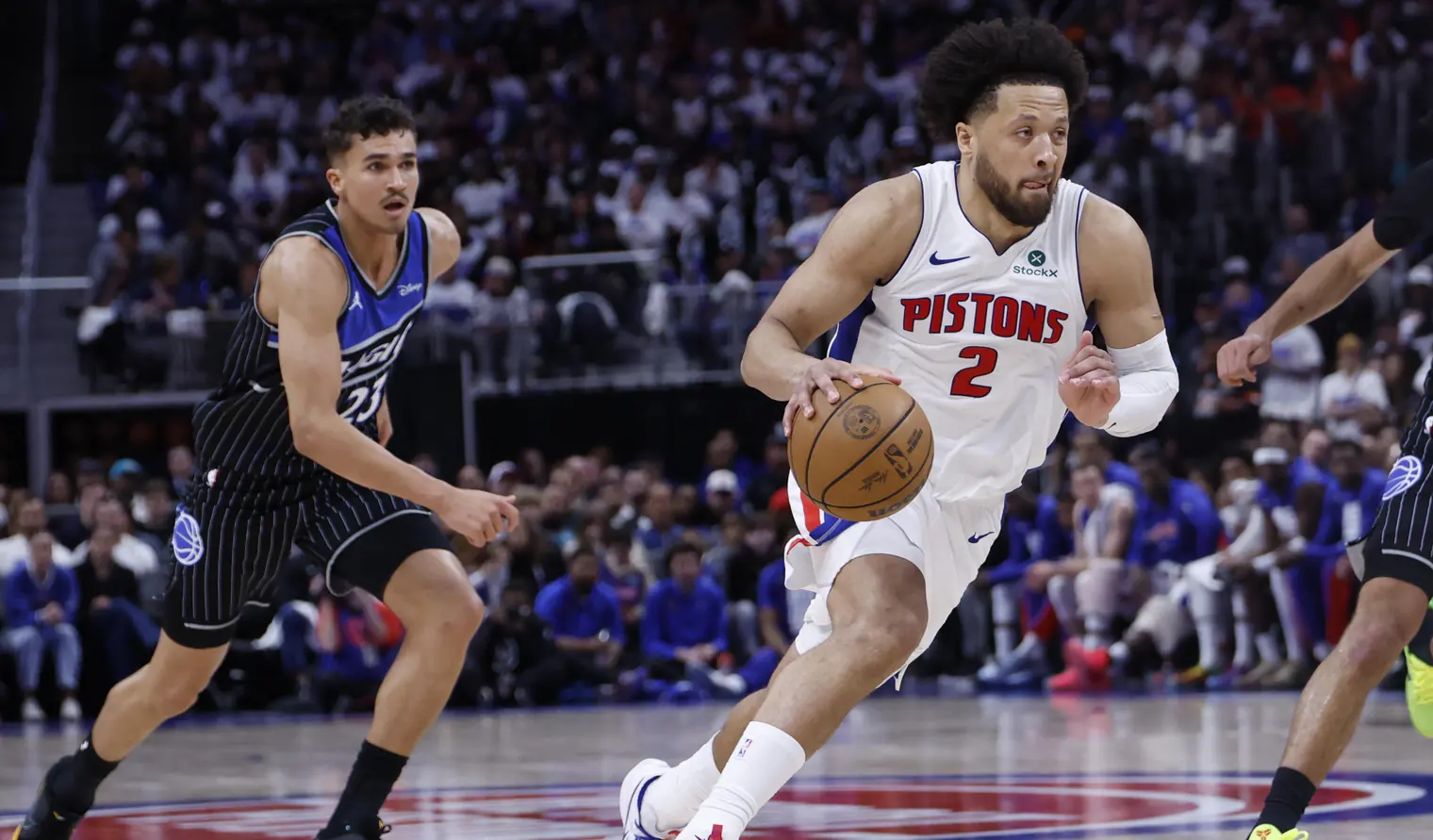
All 30 teams participate in the NBA Cup. They’re divided into six groups of five within their conferences. Each team plays four group games, facing every group opponent once, with two games at home and two on the road. The six group winners advance, joined by one wild-card team from each conference. Then the competition becomes single elimination.
Every Cup game except the championship counts toward the regular-season standings. Teams still play 82 regular-season games. The two finalists play a championship game that doesn’t affect their league record.
That structure creates urgency without requiring fans to learn an entirely different sport. Four group games don’t leave teams with much time to recover from a flat performance or take a night or a second half off.
When a team is playing in its own conference in a packed time frame, that’s naturally going to up the ante. There are playoff spots, seeding and tie-breakers at stake now, not just in March. No one really cares about a Celtics-Kings game right before Thanksgiving. A Celtics-76ers game is a different story.
Motivation from Money
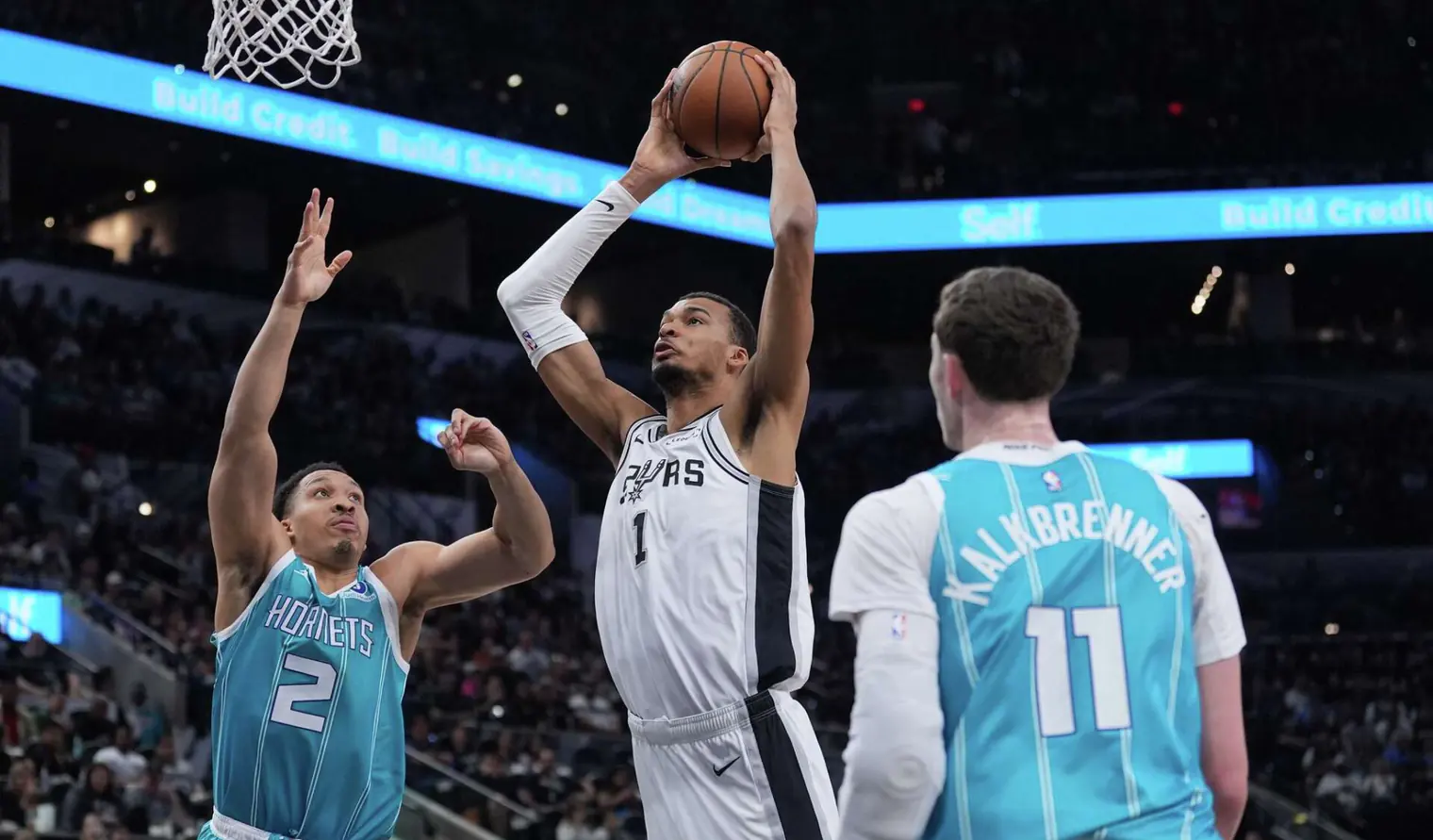
It’s easy to downplay those tournament bonuses when the NBA’s biggest stars earn more for getting out of bed in the morning. That misses how a roster works though. The same cash bonus means different things to a franchise player on a max contract and a young reserve who might be around the league only for a short period of time.
For the 2026 Cup, the listed championship payout is $604,985 per player, with smaller rewards for teams eliminated earlier in the knockout rounds. That can be a real incentive.
Moments Make Rivalries
Not marketing. The NBA can’t manufacture a rivalry simply by putting two teams in the same tournament group or hyping up a matchup on a TV ad. Real rivalries need history, competitive balance and stakes.
The NBA Cup can create all those things much earlier in the season.
A group-stage loss can knock a team out. A disputed late basket can affect qualification for the cash rounds. A blowout defeat in front of a bigger audience can give the next meeting an extra layer of bitterness or revenge.
The first NBA Cup tournament showed how quickly the stakes can sharpen a matchup. Indiana eliminated Boston 122-112 in the 2023 quarterfinals, with Tyrese Haliburton recording his first career triple-double. It was a statement performance and game against a major opponent, not just a strong early December showing that no one remembered two days later.
Indiana’s semifinal win over Milwaukee saw Haliburton borrowing (ok, mocking) Damian Lillard’s “Dame Time” celebration. It became an early flashpoint in the teams’ growing rivalry. Giannis poured in 64 a week later against the Pacers as revenge, and the teams even scuffled over the game ball afterwards. In April 2025, Haliburton’s father even got heated with the Freak after the Pacers eliminated the Bucks from the playoffs. It all started with the NBA Cup.
It was all part of a coming out party for Haliburton. He made the In-Season Tournament’s All-Tournament Team, the NBA All-Star team, and elevated the Pacers to become a serious annual rival for the bigger brand-name Celtics.