
The NFL Season That Changed Everything
The 1978 NFL season changed some rules and caused an offensive revolution, and some teams cashed in right away
Beyond the Lines · Nov 7, 2026 · 5 min readThe NFL’s most important offensive revolution started with the league owners and rules officials. Receivers needed more room to run and quarterbacks needed time to find them.
In 1978, the passing game changed basically overnight and would never look the same. That season offers a straight line to the NFL we watch now, where passing teams regularly run up scores in the 30’s compared to just 17 points per game in ’77.
Before spread formations and elaborate passing packages became everyday stuff on the field, it was very much a run-based league.
Joe Namath could talk all he wanted ahead of Super Bowl III in 1969, but it was Matt Snell running the ball that won the Jets that game. Snell and the Jets were playing under the conditions that had ruled the NFL for ages (before it merged with the AFL). It was those same conditions that kept scoring low through most of the 1970s.
NFL odds needed an update in ’78 and beyond as players and teams took advantage of a couple of rule changes that had a major impact.
Two Rule Changes That Worked Together
The more famous NFL rules adjustment became known as the Mel Blount Rule, named for Pittsburgh’s physical cornerback.
Beginning in 1978, the rules restricted defensive contact with receivers beyond five yards from the line of scrimmage. Blount had become so good at disrupting receivers that a change had to be made.
Pass interference calls still covered what happened between a DB and a receiver while a pass is in the air. The five-yard restriction limited what defenders could do before the throw. A receiver’s route automatically got more breathing room when a cornerback could no longer keep knocking him off course downfield.
We can’t really imagine it now. Say Minkah Fitzpatrick kept bumping and messing with JSN all the way down the field in today’s game. Catches, points and excitement would be way down. Not to mention people’s fantasy scores.
The second rules adjustment got less attention but it turned out to be just as important. Before 1978, offensive linemen had to pass-block with closed fists only and keep their arms close to their bodies. That was to keep holding to a minimum, but it meant that defensive linemen were way more of a problem for QBs. They reduced the time to go through the different receivers’ routes and encouraged more handoffs to the running backs.
The NFL changed its pass-blocking rules ahead of the 1978 season to allow offensive linemen to extend their arms and use open hands. Blockers instantly had a better way to keep pass rushers away from their quarterbacks.
Both changes needed the other. A receiver getting open doesn’t mean much if the quarterback is eating dirt. Better pass protection for the QB also doesn’t count for much if every target is being shoved off-balance or completely off his route. More opportunity downfield, more opportunity to deliver the ball.
That was the breakthrough. 1978 made the passing game more of what it is today.
The Numbers Changed
NFL betting fans saw the results right away on offense.
Receivers cashed in the most. The Eagles’ Harold Carmichael went from 665 yards receiving in 1977 to over 1,000 in 1978. Seattle’s Steve Largent caught 38 more passes in ’78 than he did the year before.
Team-wise, net passing yardage was up by 60 yards per game when you compare 1977 to 1983. That’s a 44% jump. QBs also got to enjoy some better stat lines when it came to turnovers. Interceptions went down over those years as the safeties and corners had to cut out the downfield contact.
Scoring didn’t jump as fast as those receptions and yardage numbers did. Per team average, it went up by one point per game in 1978, then jumped to 20.1 in 1979. By 1983, it was 21.8. It’s 23 ppg today, close to a touchdown more than in 1977. Keep in mind, if that’s not as big a jump as you’d expect, defenses have evolved too during that time.
Pittsburgh Adapted Fastest, San Diego Followed
The team that got the biggest benefit from those two rule changes right out of the gate was the Steelers.
Coach Chuck Noll recognized the new world the league was stepping into. His Pittsburgh team went from a run-first crew through most of the 1970s to a pass-first team that season. His star QB, Terry Bradshaw, finished the 1978 regular season with 2,915 passing yards and a league-leading 28 touchdown passes. It helped that Bradshaw had two future Hall of Famers to throw to in Lynn Swann and John Stallworth. Pittsburgh went 14-2 in the regular season.
Against Dallas in Super Bowl XIII, Bradshaw threw for 318 yards and four touchdowns as Pittsburgh won 35-31. Compare that score to Namath’s Super Bowl a decade before, where the final score was 16-7. Bradshaw needed only 17 completions. Many of the big throws are still shown on NFL Films clips today as Swann and Stallworth suddenly had all kinds of room.
Air Coryell and then the West Coast Offense
In San Diego, Don Coryell took over the Chargers during the 1978 season. His arrival put an aggressive offensive coach in the right environment right away.
“Air Coryell” made the pass a foundation of the team’s game plan instead of a change of pace. The Chargers showed that an offense could keep attacking through the air instead of treating a handoff as the default expression of serious football.
Under Coryell, San Diego led the NFL in passing for six straight seasons. Dan Fouts became the first quarterback in league history to produce three straight 4,000-yard passing seasons. They made the playoffs four times in that span.
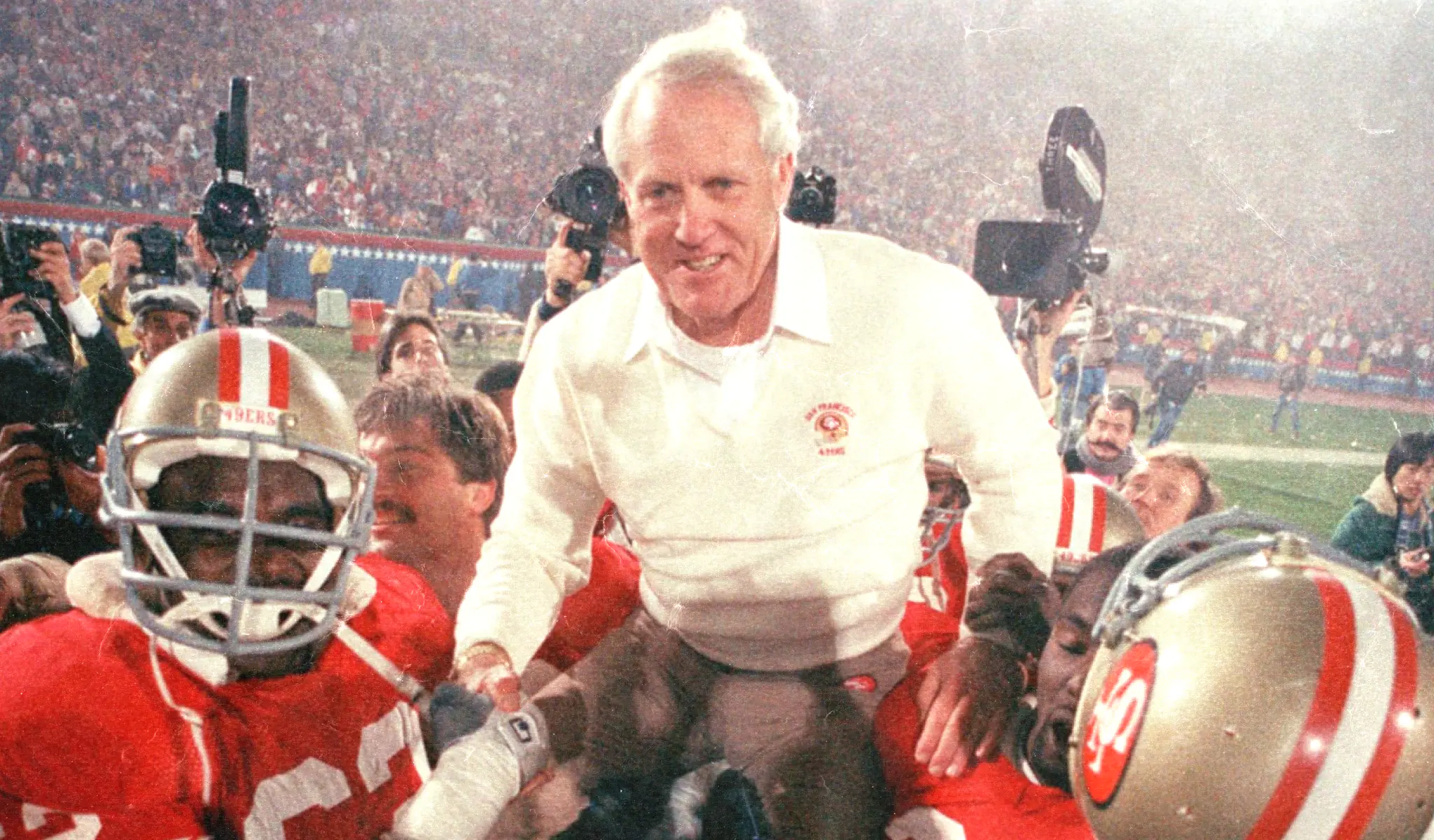
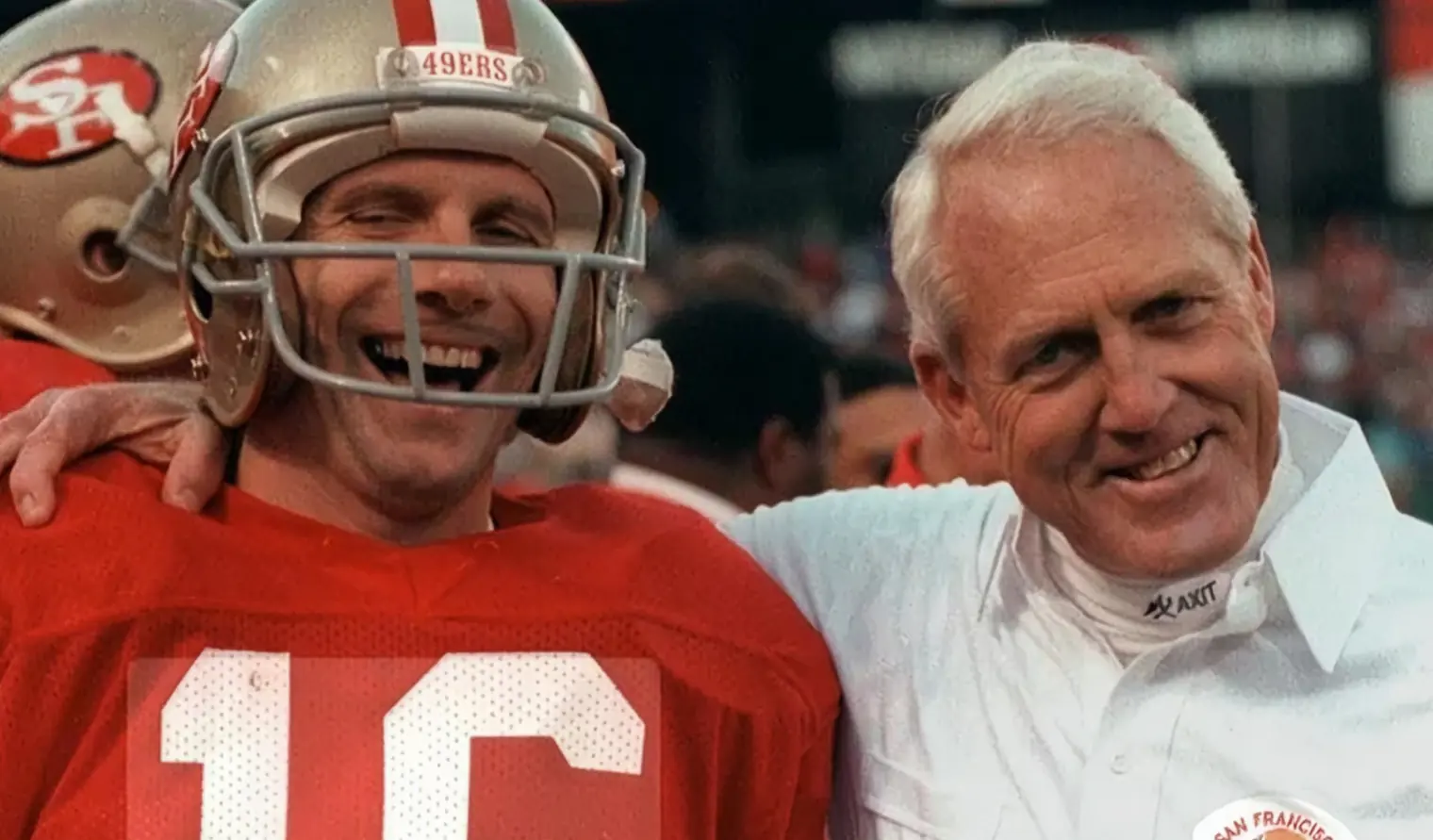
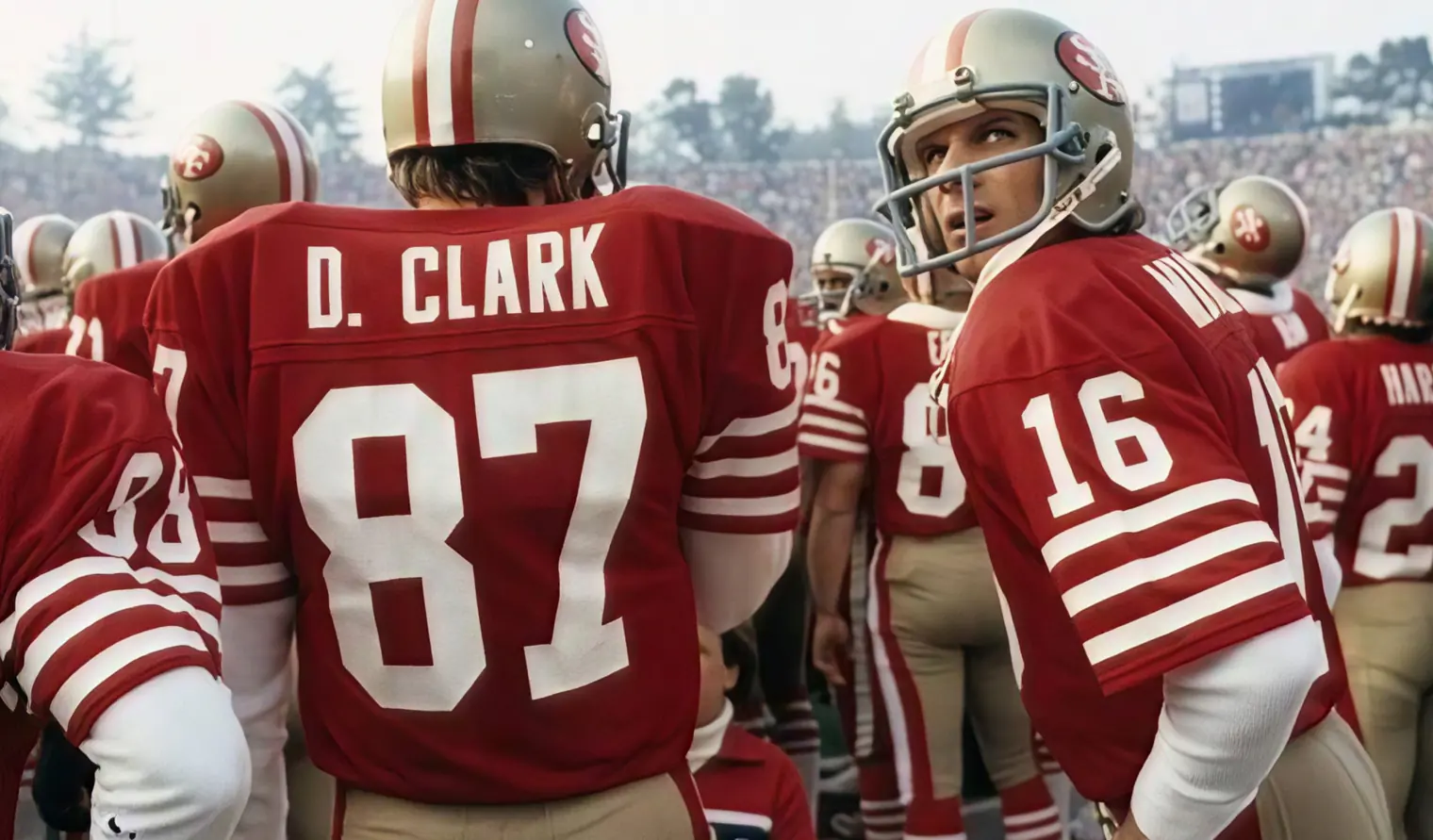
Bill Walsh took it to another level, the one we see most closely in today’s game. His West Coast Offense brought in more timing routes, more stretching of the defense by forcing them to cover shorter passes before the occasional bomb, and even more success. The Niners won three Super Bowls in the 80s under Walsh.
The 1978 rule changes expanded the choices available to an offense and made the game higher-scoring and more entertaining.