
The Greatest Midseason Turnarounds in NFL History
Comeback seasons can happen in the middle of the NFL calendar and they happen for all kinds of reasons
Beyond the Lines · Nov 15, 2026 · 5 min readWe just crossed the halfway point of the NFL season.
By now, the books and the fans usually think they know what each team is all about. The quarterback isn’t good enough. The coach has lost the locker room. There are too many injuries.
Sometimes, those narratives do hold up. Other times, teams seem to hit their stride only after Week 7, 8 or 9 and peak right as the NFL playoffs get going.
Something changes: a QB gets more confidence and the offense finds its rhythm, or a coaching staff figures out how to scheme for the talent they have in the locker room.
Spotting these momentum swings and unlikely comebacks early can also help you spot great odds for NFL Futures where the shift hasn’t been priced in yet.
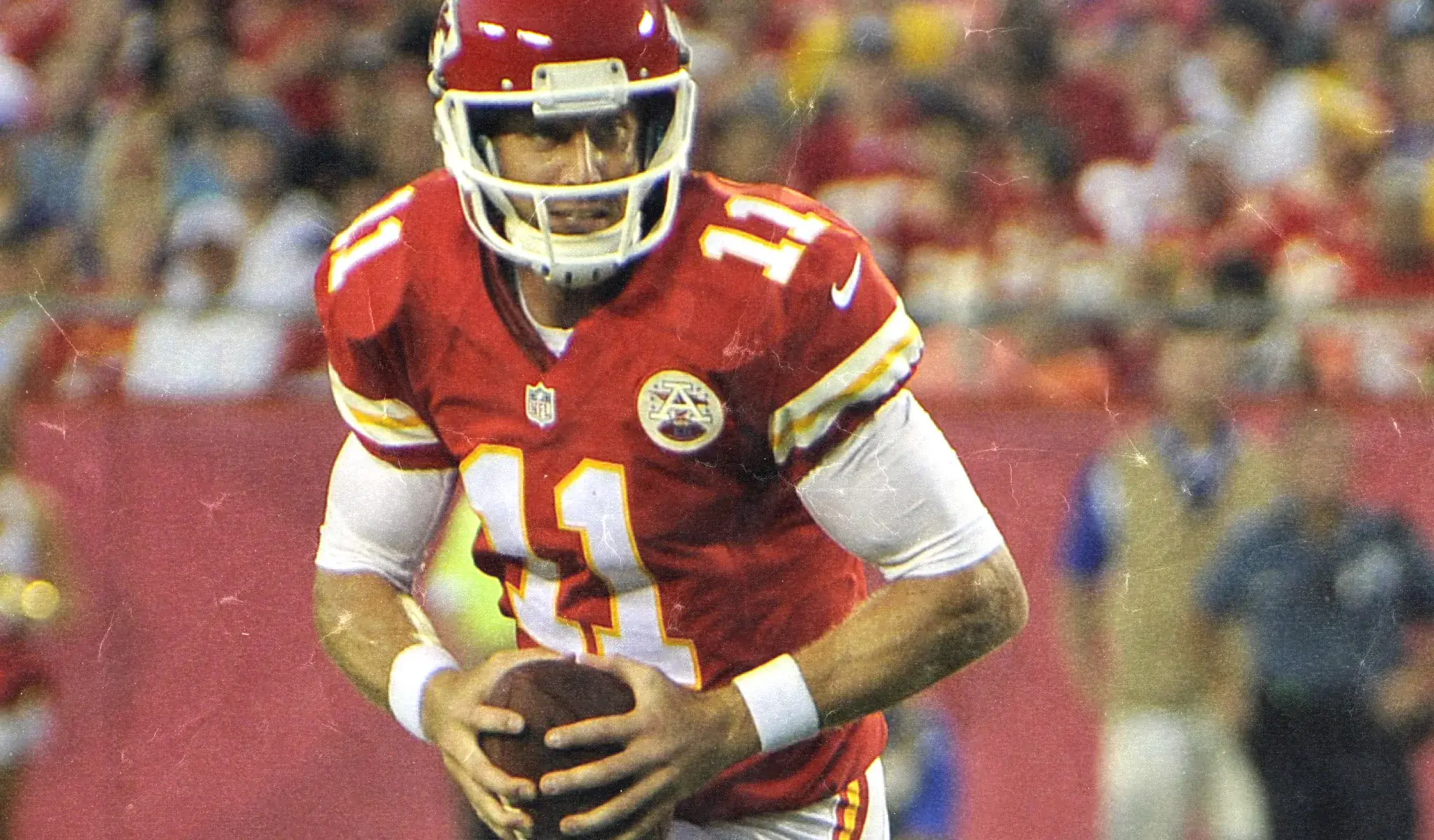
Kansas City Chiefs, 2015
Kansas City’s season looked like it was finished before Halloween.
Remember, this was the pre-Mahomes era. The Chiefs weren’t the dynasty they were going to be in a few years, with their Mahomes-Kelce-Hill offense just rolling teams.
They were 1-5, losing five straight. Their RB1 Jamaal Charles tore his ACL in Week 5 for good measure. He was their leading offensive player and he wasn’t coming back.
KC had a hidden edge though, and it helps to spot this kind of advantage if you want to get the jump on a team’s turnaround. Head coach Andy Reid was one of the best minds in the game.
His response to the disaster start was to go back to basic X’s and O’s. The Chiefs simplified parts of their offense, cutting back on formations and motions while giving QB Alex Smith more freedom to change plays, protections and routes at the line. Smith was their second secret weapon, full of football IQ and a good enough arm. The approach took hold against Pittsburgh in Week 7, when Kansas City began what would be a 10-game winning streak.
Giving a veteran NFL quarterback more authority to solve problems before the snap was key. The offense became less complicated for everyone else and more flexible for the player making the decisions.
The Chiefs’ defense supplied the other half of the turnaround. During Kansas City’s huge streak to close the regular season, they allowed just 12.8 points per game. That figure led the NFL over that stretch.
Kansas City finished 11-5, then beat Houston 30-0 in the wild-card round before losing to New England. (Tom Brady was there to shut the door on any more magic).
The lessons? Injuries matter but they don’t mean a crisis is coming. Sometimes they force a team to discover a better way to play the full game. You need to have the coach and the rest of the team to deliver, but even the roughest starts can be overcome. And bet on.
Cincinnati Bengals, 1970
In a 14-game schedule back in the ’70s, Cincinnati stood 1-6 after losing six consecutive games. The franchise was only in its third season. They weren’t the Bungles yet, but they were laying the foundation.
The key again was elite coaching and capable quarterback play.
Virgil Carter was the backup to Greg Cook, a top passer whose career got cut short with injuries, and Sam Wyche, who later went on to become a better coach than a QB. Working with offensive assistant Bill Walsh (there’s the coaching name you were looking for), he decreased his own mistakes. Carter threw seven interceptions during the team’s first seven games and only two over its final seven.
Walsh of course was the eventual genius, Super Bowl-winning head coach of the San Francisco 49ers. His impact was big on the team and the entire way the NFL would play offense. The Bengals won their last seven games, finished 8-6 and took the AFC Central by one game over Cleveland. Baltimore ended the run with a 17-0 playoff victory, but Cincinnati had made its first playoff appearance after a huge turnaround.
Green Bay Packers, 2016
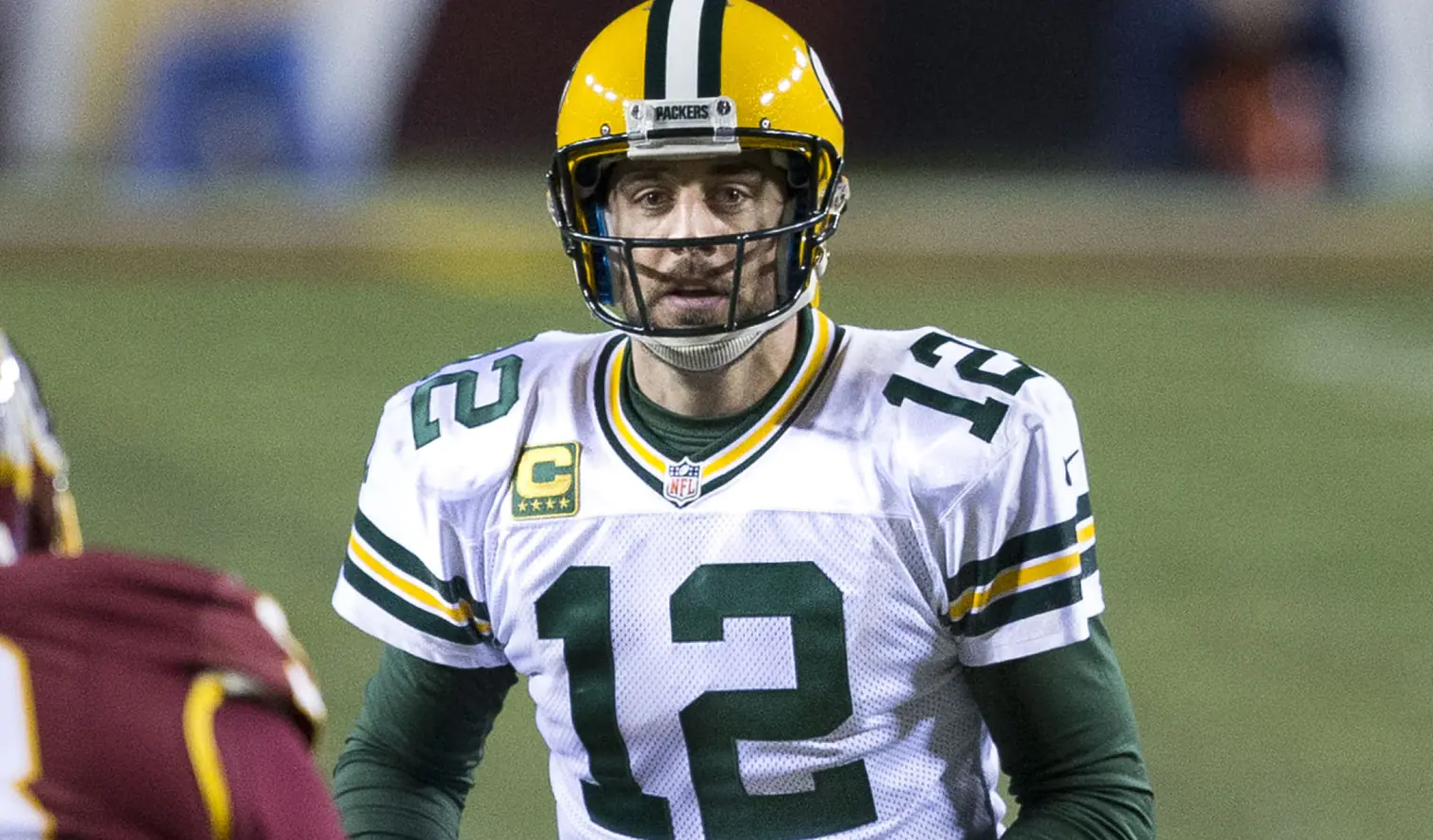
Aaron Rodgers said: “I feel like we can run the table.” Green Bay was 4-6 after Week 11 and coming off four straight losses, including a 42-24 defeat against Washington. Rodgers had some stones to say that.
He backed it up though. Rodgers threw 15 touchdown passes without an interception as Green Bay won its final six regular-season games. The Packers finished 10-6 and won the NFC North, beating Detroit in the final week to take the division.
During those six games, either Jordy Nelson or Davante Adams topped 100 receiving yards every week. That combination gave Rodgers dependable targets up front. His confidence basically lifted the team onto his back.
Green Bay carried the streak into January, beating the Giants and Cowboys before losing to Atlanta in the NFC Championship Game. By then, injuries had piled up. Nelson was playing with broken ribs, and Adams was dealing with an injured ankle.
Unlike the first two examples with the Chiefs and Bengals, the Packers did have an elite, future Hall of Fame quarterback. An elite passer can take over completely and change a team’s outlook.
New England Patriots, 2001
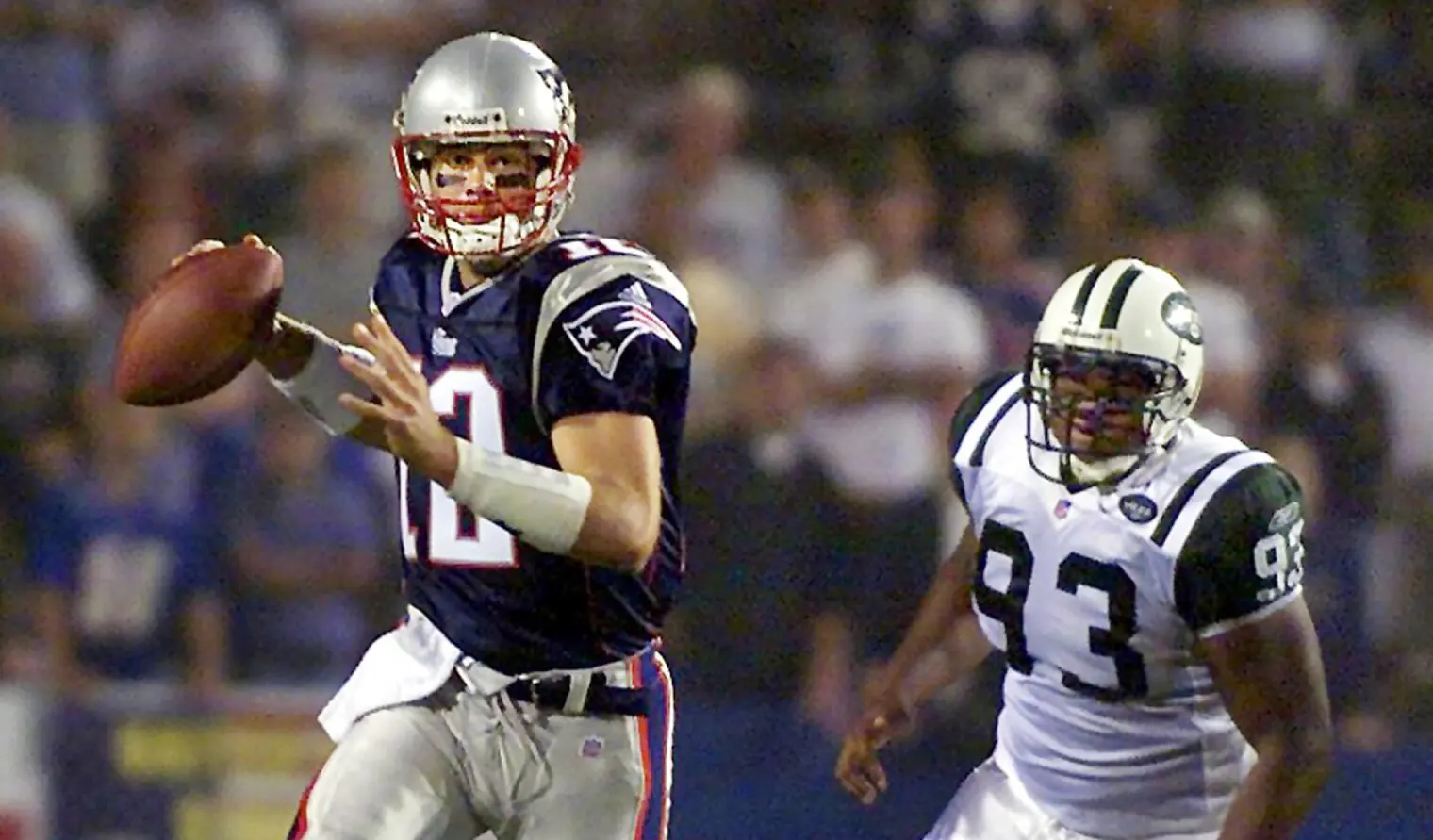
It is easy for anyone to look backward at the 2001 Patriots and say they saw the beginning. For starters, their QB was Drew Bledsoe, not Tom Brady.
New England opened 0-2 when Bledsoe’s serious chest injury pushed Brady into the lineup. Even after Brady’s arrival, the Patriots were 1-3 and later 4-4. This wasn’t an overnight trip to multiple Super Bowls and supermodels.
Sometimes these epic turnarounds can come down to one single (and fateful) decision. When Bledsoe was medically cleared to return, Bill Belichick stayed with the young Brady over giving the established starter his job back. Brady responded with four touchdown passes in a 34-17 win over New Orleans.
New England finished that season 11-5, won the AFC East and earned a first-round bye. Brady went 11-3 as the regular-season starter, but the championship wasn’t his work alone. The Patriots beat Oakland in the playoffs, then Pittsburgh, and then St. Louis in the Super Bowl.
Belichick had to make the tough, adult decision. He saw something in Brady in those early days and stuck to it.