
The Thanksgiving Games That Changed NFL History
Revisit the most memorable Thanksgiving matchups, dramatic finishes and unexpected results.
Beyond the Lines · Nov 19, 2026 · 5 min readNFL Thanksgiving games, even if they look meh on the calendar, always have that extra something that gets people to tune in.
A few of the games in the past 90+ years have had a bigger impact on NFL history than other years. Even if they didn't change the rulebook, the games that stick with us all did have some kind of twist or miracle, and that could be why we tune in every year. Or maybe it's just the stuffing that keeps us bolted to the couch.
1934: Detroit Loses the Game but Wins a Tradition
Might as well start an NFL Thanksgiving history story where it all began.
1934. Before the NFL-AFL merger. Before Madden. Before Turducken even.
The Lions were new to Detroit in 1934, and owner George A. Richards was very aware that his football team was still playing second fiddle to the MLB's Detroit Tigers. This was a time where baseball was still by far the "national pastime". It was also well before the Jerry Joneses of the NFL world, multi-billionaires who could afford multiple years of not making money or cashing Super Bowl titles.
Owners did have a lot of say as to when the games themselves were played though. Richards, who had bought the Portsmouth Spartans and moved them to Detroit, decided to make a marquee matchup on Thanksgiving. He knew the game would stand out from the regular weekly NFL schedule and that people would have the day off.
The defending champion Chicago Bears came in at 11-0. The Lions were 10-1. A Detroit win would pull the teams even in the Western Division with one game left, a rematch in Chicago just three days later. (Imagine NFL players today getting three days off between games). All 26,000 tickets sold out two weeks in advance. Richards' new gamble paid off.
Chicago won 19-16 (and took the rematch too), so the game didn't work out on the field. Richards had already won in the bigger picture though. NBC carried the Thanksgiving game nationally on radio, so fans didn't even have to be in Detroit to make the game part of their day. And the Lions gave their home crowd a better ending the following year. They beat the Bears 14-2 on Thanksgiving Day 1935, won the West and then went on to win the NFL championship.
The game changed NFL history as the Thanksgiving Day game tradition took off. Now there are three games that day, each one getting way more eyeballs than they would on a Sunday afternoon.
1962: The Lions Wreck Green Bay's Perfect Season
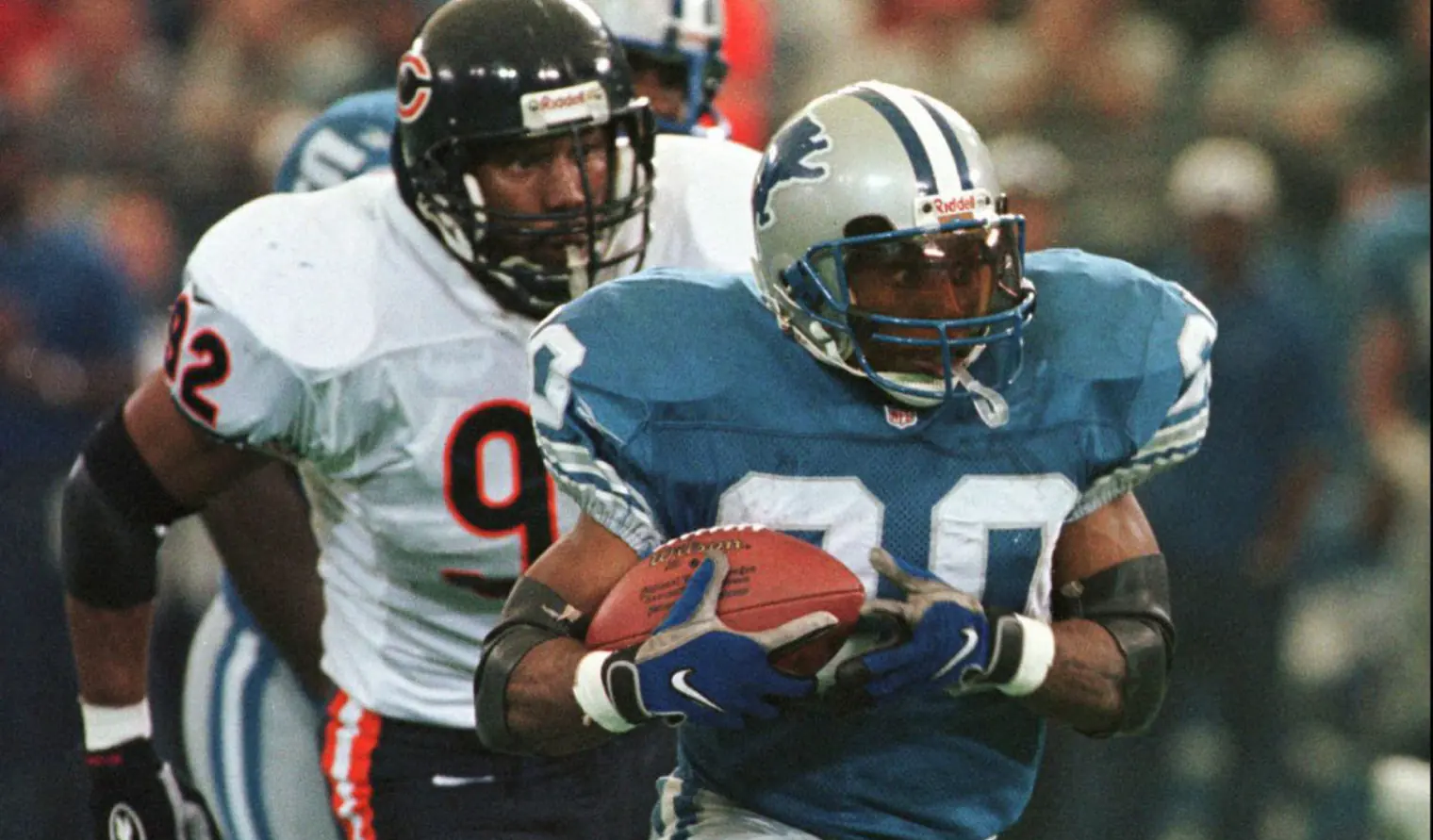
The 1962 Packers brought a 10-0 record to Tiger Stadium. Detroit had their own solid 8-2 record going on, but they didn't have anywhere near the star lineup that Green Bay had.
Detroit ended up winning easily, 26-14, sacking Packers legend Bart Starr 11 times for 110 yards in losses. They intercepted him twice for good measure.
The beatdown made sure the 1972 Miami Dolphins team would have the NFL's only perfect season. It also made sure that people didn't miss Thanksgiving football. It started that day, the idea that anything could happen when two teams meet on a short week. Especially as division rivals and especially when one of them is used to the Thanksgiving Day routine.
1974 and 1993: Dallas and Miracles
Dallas was down 16-3 to Washington in the third quarter in 1974 when an injured Roger Staubach had to leave the game for rookie Clint Longley.
This wasn't Huntley coming in for Lamar Jackson or Drew Lock coming in for Sam Darnold. Staubach led the league in TD passes and passer rating coming into the '74 season, and he already had a Heisman and a Super Bowl MVP in his cabinet.
A comeback was a lot to ask of Longley. It was a rivalry game and under a national spotlight, and he was down by two TDs. Longley delivered anyway. He hit Billy Joe DuPree for a 35-yard touchdown and, with 28 seconds left, found Drew Pearson for a 50-yard score that gave Dallas a 24-23 win. Longley finished with 203 passing yards and two touchdowns in less than a half of action. It's still remembered as the Clint Longley Game.
Nineteen years later, Dallas was on the wrong side of a Thanksgiving miracle.
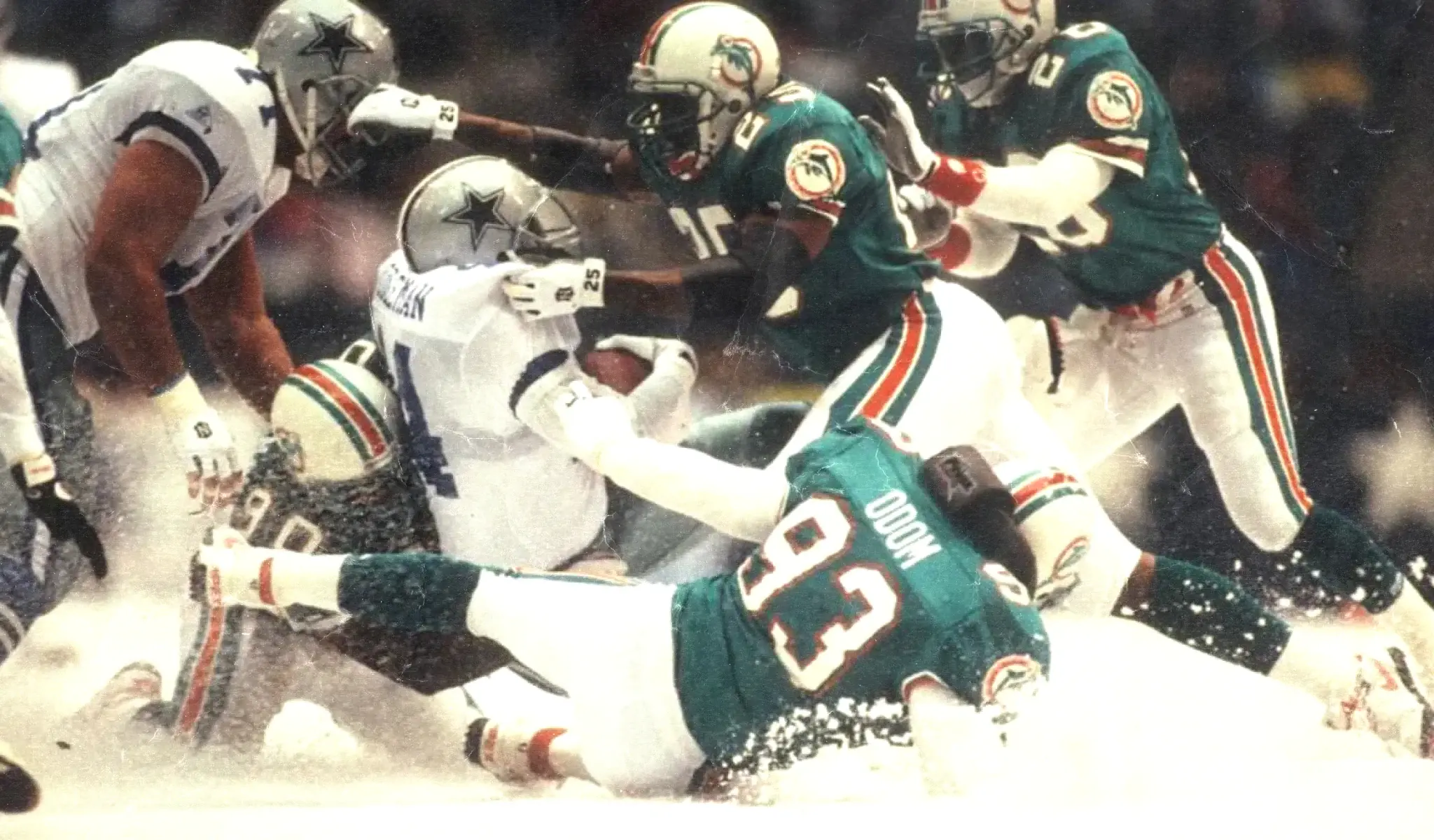
The Cowboys led Miami 14-13 late in the game on a weird afternoon at Texas Stadium. Dallas weather was usually fine on Thanksgiving, but this year it was sleet and snow and just miserable cold. When Jimmie Jones blocked Pete Stoyanovich's field-goal attempt with 15 seconds left, the Cowboys seemingly had it all wrapped up, with warm showers and a Thanksgiving feast waiting. All they needed to do was leave the ball alone. In the NFL rules, a blocked field goal is still a live ball.
Instead, Leon Lett went after it, slipped on the bad field surface, and touched it. Miami recovered at the Dallas 1-yard line with three seconds left, and Stoyanovich got another try. He made the 19-yarder this time for a 16-14 Dolphins win. This was just 10 months after Lett famously celebrated too early on a fumble return in the Super Bowl and got stripped of the ball just before scoring. Basically, he needed to stay away from end zones completely.
This one was a bigger goof though. Dallas had that Super Bowl wrapped up already. This Thanksgiving Day mistake cost them the game. Luckily for Lett, the team was too talented. They went on to win the Super Bowl that year again.
For NFL betting fans, you can imagine how the miracle moneyline win impacted Miami backers and how it turned into an all-time bad beat for Dallas bettors.
1998: How Do You Mess Up a Coin Toss?
The strangest Thanksgiving, where the Lions and Steelers were tied 16-16 after regulation in 1998, saw a change in the rules happen after it was all over.
Under sudden-death overtime right from the opening kickoff in OT, the first score won, so the coin toss could determine whether both offenses even got on the field. Pittsburgh captain Jerome Bettis made his call while the coin was in the air. Bettis said he called "tails," but referee Phil Luckett ruled that Bettis had called heads. The coin landed tails. You can still see Bettis and his fellow Steelers standing there stunned. Detroit got the ball, Jason Hanson kicked a 42-yard field goal, and Pittsburgh never even got an offensive possession in overtime.
The NFL changed the coin toss procedure days after the game (no, the Steelers didn't get the call back) so the visiting captain would make the call before the flip, not waiting until it's in mid-air. They added two additional officials at midfield to hear it, and the head ref repeats the team's choice before the toss happens.
A lot of work for a coin toss, but Thanksgiving made it weird.